
What Makes a Brand Powerful?

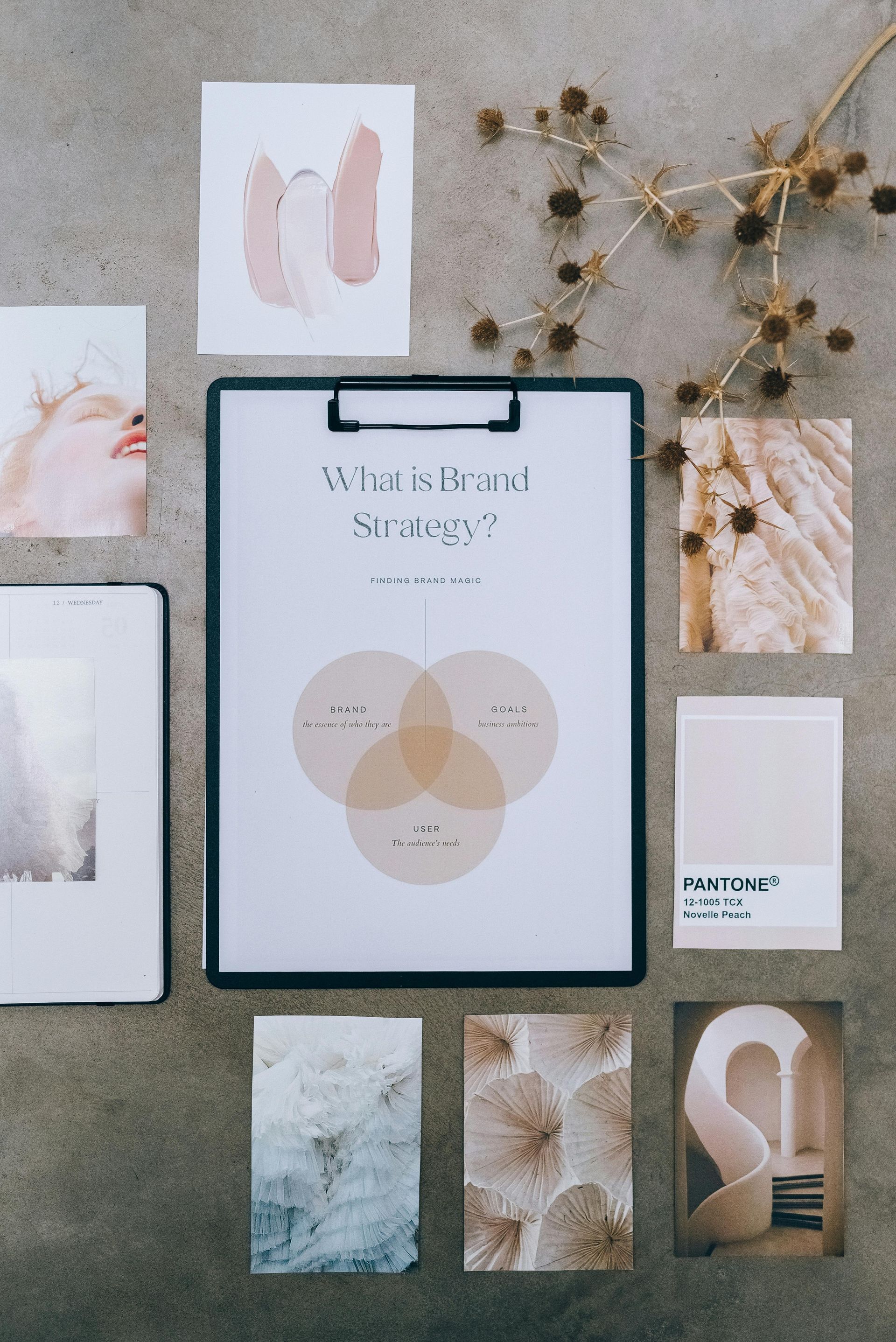
In today’s competitive and ever-evolving marketplace, building a powerful brand is crucial for businesses aiming to stand out and succeed. A powerful brand can captivate consumers, foster loyalty, and create a distinct identity that sets a company apart from its competitors. But what exactly makes a brand powerful?


1.Consistent Brand Identity:

One of the fundamental pillars of a powerful brand is a consistent and well-defined brand identity. This encompasses elements such as a compelling logo, a memorable tagline, distinctive colors, typography, and visual style. A consistent brand identity helps consumers recognize and remember a brand, creating a sense of familiarity and trust. By effectively conveying its values, personality, and mission through a cohesive brand identity, a company can establish a strong connection with its target audience.


2.Authenticity and Purpose:

Powerful brands possess an authentic and genuine purpose that goes beyond profit-making. They understand their target audience and address their needs and aspirations in a meaningful way. By aligning their values with those of their customers, these brands create emotional connections and build trust. Consumers are more likely to support brands that genuinely care about their well-being and contribute positively to society. A powerful brand stands for something more than just its products or services; it stands for a purpose that resonates with its audience.


3.Exceptional Customer Experience:

Customer experience plays a pivotal role in shaping a brand’s power. Brands that consistently deliver exceptional experiences at every touchpoint create loyal customers who become brand advocates. These brands go above and beyond to understand their customers, anticipate their needs, and provide personalized and seamless interactions. By investing in customer service, user-friendly interfaces, and innovative solutions, powerful brands create positive associations and leave a lasting impression.


4.Storytelling and Emotional Engagement:

A powerful brand knows how to tell a compelling story that engages its audience on an emotional level. By leveraging storytelling techniques, brands can tap into the power of narratives to create connections, generate empathy, and inspire action. They communicate their brand’s history, values, and impact in a way that resonates with consumers’ aspirations and desires. When consumers emotionally connect with a brand’s story, they become invested in its success and are more likely to remain loyal over time.


5.Innovation and Adaptability:

To remain powerful and relevant, brands must be innovative and adaptable in an ever-changing marketplace. They must continuously evolve, embrace new technologies, and stay ahead of consumer trends. Powerful brands are not afraid to take calculated risks, challenge the status quo, and disrupt their own industry. By embracing innovation, these brands demonstrate their commitment to providing value and exceeding customer expectations.


Building a powerful brand is a multifaceted process that requires careful attention to various elements. A consistent brand identity, authenticity and purpose, exceptional customer experience, storytelling, emotional engagement, and innovation are all vital components that contribute to a brand’s power and influence. When these elements are combined effectively, a brand can transcend its products or services and create a lasting impact on its customers. By investing in brand-building strategies that embody these principles, businesses can unlock the true potential of their brand and achieve long-term success in today’s competitive landscape.


By Tessa Tracy February 12, 2026
In today's digital-first world, businesses are constantly competing for attention on screens. Ads scroll by in seconds. Emails get archived. Social posts disappear into endless feeds. But tangible marketing offers something digital cannot, physical presence. Promotional products stay in homes, offices, vehicles, gyms, and conference bags long after an online impression fades. Branded merchandise builds brand recall in a powerful way. When someone drinks from your branded tumbler every morning or carries your logo on a tote bag to work. your brand becomes part of their routine. That kind of repeated exposure builds familiarity and trust. Unlike digital ads that require constant reinvestment to stay visible, promotional products continue working long after they've been distributed. Tangible marketing also creates emotional connection. Receiving a high-quality promotional item feels intentional and thoughtful. A well-designed hoodie, premium insulated bottle, or sleek tech accessory communicates value. People associate the quality of the product with the quality of the business. That connection matters. Another advantage of promotional products is their ability to extend your reach organically. Branded items travel. They show up in meetings, networking events, coffee shops, and community spaces. Each product becomes a subtle brand ambassador, creating impressions you never directly paid for. It is marketing that moves beyond the digital space and into real-world visibility. The most effective strategies today combine digital and tangible marketing. A digital campaign may generate leads, but a branded welcome kit reinforces the relationship. Social engagement builds awareness, while promotional merchandise builds presence. When both elements work together, your brand becomes more memorable and more trusted. Not all promotional products are created equal. Cheap items are quickly discarded, but useful, well-designed products are kept and used regularly. That's why quality matters. At Little Big Promotions, we focus on items people genuinely want — drinkware, apparel, tech accessories, and event-ready swag that reflects your brand at its best. Because your merchandise is not just a giveaway. It is a representation of your business. Digital marketing builds visibility. Promotional products build presence. And presence builds trust. In a crowded marketplace, tangible marketing continues to win because it puts your brand directly into your audience's hands, and keeps it there.
By Tessa Tracy February 12, 2026
Let's be honest, most businesses don't love their marketing.
By Tessa Tracy January 21, 2026
In 2026, your website is no longer an online brochure, it's your primary sales tool. For many businesses, it's the first interaction a potential customer has with your brand, and often the deciding factor in whether they reach out or move on.
By Tessa Tracy January 21, 2026
In today's competitive market, small businesses don't lose leads because they lack effort, they lost them because of avoidable marketing missteps. With limited time and budgets, every marketing decision matters.
By Tessa Tracy December 22, 2025
The start of a new year is always the perfect time for a fresh perspective—and that includes your marketing strategy.
By Tessa Tracy November 5, 2025
The Future of Branding: Trends to Watch Out For
August 19, 2025
In today's crowded digital landscape, it's easy for your marketing message to get lost in the noise.
By Tessa Tracy August 19, 2025
Summer is quickly coming to an end—and while the season is starting to cool your workload says differently. It's time to turn up the heat on your marketing efforts.
June 25, 2025
QR codes are back—and hotter than ever. Once seen as a novelty, these little black-and-white squares are now marketing powerhouses.
June 25, 2025
As the temperatures rise, so does the competition for attention in the marketing world.